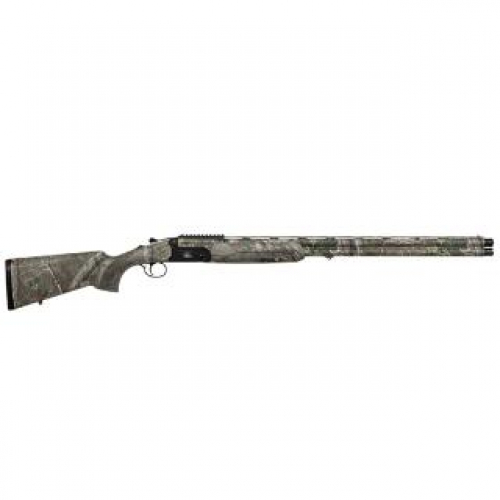
Shotguns for Delaware Bay ducks and geese
Delaware is small, but it sits in the middle of the Atlantic Flyway with sixty miles of bay marsh on one side and the coastal bays on the other, and the birds do not care how many square miles the state has. Bombay Hook alone holds tens of thousands of snow geese in a hard winter. If you hunt here, you hunt salt, mud and wind, and the gun you carry has to survive all three.
The seasons, in outline
Delaware's waterfowl calendar starts with the September resident Canada goose season, which targets the birds that never leave, and a teal season in the designated zone. The regular duck season runs in three splits between late October and January 31. Migratory Canada geese have their own shorter windows in late November and from before Christmas to the end of January. Snow geese run long, into February and March under the conservation order, with a very large daily limit. Brant get two short seasons. Two special hunt days are set aside each year for veterans and active military. Exact dates move every year with the federal frameworks, so pull the current DNREC migratory bird season sheet rather than trusting last year's numbers.
Non-toxic shot, no exceptions
Delaware requires non-toxic shot approved by the US Fish and Wildlife Service for all waterfowl hunting in the state, with no exceptions written in. Steel is the cheap answer and it works if you match the load to the range. Bismuth and the tungsten blends cost more and pattern denser, which buys you range and lets you drop a size. Federal rules cap you at three shells in the gun, magazine and chamber combined, so plug the shotgun before you climb into the blind. Your old lead field loads stay in the dove bag.
Choosing the gun
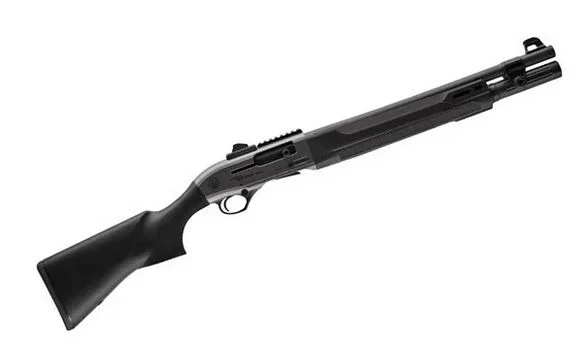
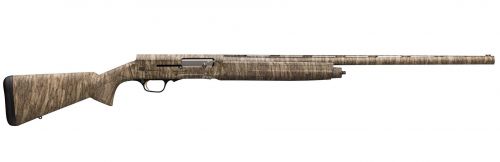
A 3-inch 12 gauge semi-automatic is the default marsh gun for good reason: soft recoil with heavy steel loads, fast follow-ups on a flaring flock, and modern gas and inertia guns run in salt when they are rinsed. A synthetic stock and a hard coating on the metal are worth more here than any engraving. Inertia guns stay cleaner in mud; gas guns kick less with heavy loads. Pumps are still the honest answer for a hunter who hates cleaning: nothing in a pump cares about freezing spray. The 20 gauge with 3-inch bismuth has become a real option for close decoying birds and for smaller hunters.
Choke matters more than gauge. Steel patterns tighter than lead, so an improved cylinder or a light modified steel-rated tube handles decoying blacks and mallards, and a modified or an extended waterfowl choke suits pass-shooting geese and divers. Stick with steel shot sizes 2 and BB for big Canada geese, 2 and 3 for puddle ducks, and BBB or T for snows over a spread. Keep a spare choke and a wrench in the blind bag.
Snow geese are a different job
The snow goose hunt on the Delaware Bay farm fields has almost nothing in common with sitting over a dozen mallard decoys. Flocks arrive in the thousands, the daily limit is enormous, and under the conservation order that runs after the regular season closes the usual restrictions loosen considerably. What that asks of a shotgun is endurance: hundreds of shells in a morning, big steel or tungsten loads, and a gun that will keep cycling when it is caked in field dirt. This is where a hard-chromed semi-automatic earns its price, and where a second gun in the truck is not a luxury. Spreads run to hundreds of decoys and an electronic call where the order allows it, which is why most snow goose hunting here happens with a group rather than alone.
Getting on the birds is the harder half. Snows feed on winter wheat and cut corn across Kent and Sussex and move every day, so permission on private ground and a lot of driving matter more than gear. Read the current rules for the conservation order carefully each year, because the dates, the permitted methods and the reporting requirements are set annually and do change.
Where to hunt
The DNREC wildlife areas along Delaware Bay are the heart of it. Woodland Beach and Augustine near Smyrna and Middletown, Cedar Swamp, Little Creek and Ted Harvey near Dover, and Assawoman down by Ocean View all run public waterfowl blinds. Several of them assign blinds by a morning lottery held two hours before sunrise, and Little Creek and Ted Harvey hold theirs two and a half hours before sunrise. Hunters using a lottery blind buy an annual wildlife area deer stand and waterfowl blind lottery permit, currently $20, and must carry it. Bombay Hook and Prime Hook are federal refuges with their own hunt programs and their own paperwork. The Broadkill marshes below Milton and the Indian River below Millsboro hold birds too.
Licenses and stamps
You need a Delaware hunting license unless exempt, a Harvest Information Program number renewed every year on July 1, a federal duck stamp and the Delaware waterfowl stamp. The HIP number is free and takes two minutes online. None of it substitutes for scouting: on this coast the birds move with the wind and the tide, and a blind that was perfect on Saturday can be empty on Sunday.
The rest of the kit
Waders that actually fit, a face covering, and a gun sling you can work with cold hands do more for your season than a new shotgun. A dozen good decoys and a call you can run quietly beat four dozen you never finish setting. When the season closes, the same gun goes back to slugs for the January deer split covered in our deer season guide, and everything we can ship into the state is on the gun laws page and in the catalog.
General information, not legal advice. Current as of September 2026. Laws change; check the official source before you act.