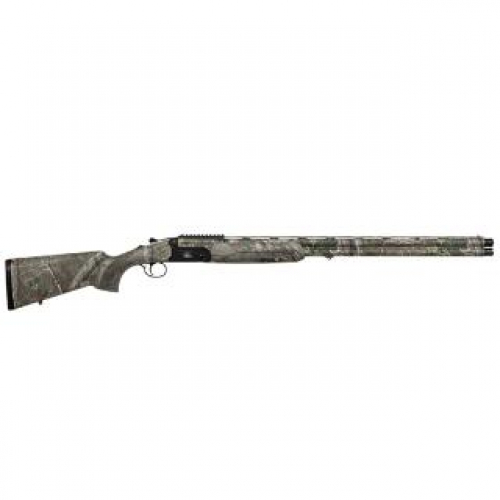
Delaware deer season and the guns that are legal for it
Delaware runs one of the longest deer seasons in the country, about five months from the September archery opener to the end of January, on a tiny piece of ground. What it does not run is a rifle season in the way most states mean it. Bottleneck centerfire rifle cartridges are not legal for deer anywhere in Delaware. Everything here is shotgun slugs, muzzleloaders, handguns and a narrow class of straight-walled pistol-caliber rifles, and the last of those is only legal on part of the state.
The 2026-27 calendar
Archery and crossbow open September 1 and run through January 31 statewide, the longest window of the year. Muzzleloader falls in mid-October and again in late January. The two shotgun seasons, which most Delaware hunters simply call deer season, sit in mid-November and mid-January. The handgun and straight-walled rifle season lands in early January and is closed in the two management zones north of Interstate 95. Several antlerless-only splits are scattered through October and December, and youth and non-ambulatory hunt days fall in late September and November. Dates shift a little every year, so confirm them in the current DNREC hunting and trapping guide before you plan a week off.
What is legal
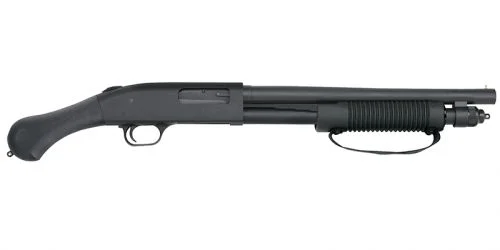
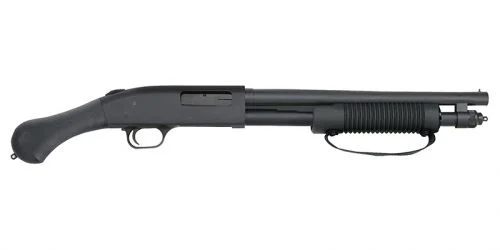
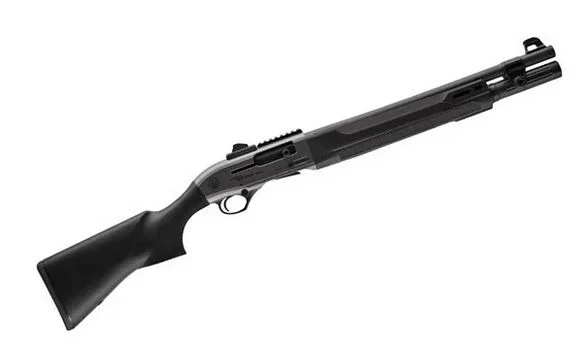
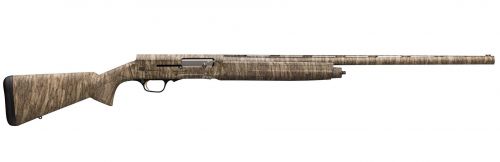
Shotguns of 10 gauge through 20 gauge firing a single slug are the backbone of the firearm seasons. Muzzleloaders are legal in their own seasons and during the shotgun seasons, and scopes are allowed on them. Handguns must be revolvers or single-shot pistols with a barrel of at least 5.75 inches in the calibers the regulations list. Straight-walled pistol-caliber rifles are legal in place of a shotgun during the November and January shotgun seasons and in place of a handgun during the January handgun season.
The straight-wall rule, carefully
This is where Delaware hunters lose deer and gain fines. The cartridge must be a straight-walled round usable in a handgun. The rules describe two families: .357 through .38 caliber with a case length of at least 1.25 inches and no more than 1.82 inches, and .41 through .50 caliber with a case length no more than 1.82 inches. That puts .357 Magnum, .44 Magnum, .450 Bushmaster and .45 Colt inside the window and leaves .45-70 and the bottleneck rounds outside it. The rifle may not hold more than three cartridges in chamber and magazine combined while deer hunting. And the rule that catches people: straight-walled rifles may not be used for deer north of the Chesapeake and Delaware Canal. If you hunt around Wilmington, Newark or Bear, that rifle stays home and the slug gun comes out. South of the canal, from Middletown down to Laurel, it is legal.
Guns that make sense here
For most of Sussex and Kent, a 12 gauge semi-automatic or pump with a rifled barrel and a low-power scope shooting sabot slugs covers everything. Ranges on farm edges and ditch banks run from twenty yards to about a hundred and twenty, and a good sabot load holds minute-of-deer well past that. The 20 gauge has closed the gap and kicks far less, which matters when a young hunter is sitting next to you. A .50 caliber muzzleloader with a 250 grain sabot bullet adds two more seasons for the price of one gun. For the straight-wall crowd, a bolt or lever gun in .450 Bushmaster or a lever .44 Magnum in the thick swamp heads is hard to beat, and both are legal south of the canal. Our catalog lists live prices on all of them.
Sights, slugs and sighting in
A slug gun is only as good as the sight on it and the load it likes. Rifled barrels want sabot slugs; smoothbores want Foster-style rifled slugs and will not shoot sabots well. Guns disagree strongly about brands, so buy two or three boxes, shoot groups at 50 and 100 yards, and keep the one that prints tightest rather than the one with the best box art. A 1-4x or 2-7x scope with generous eye relief, or a red dot for the thick stuff, beats a bead every time. Mount it on a rail that is actually torqued down, because slug recoil finds loose screws.
Muzzleloaders need the same treatment with a longer routine: settle on a bullet and a charge, swab between shots the way you will in the field, and check the primer seating. Whatever you shoot, sight in at the range before the season instead of on the first deer. Delaware gives you two state ranges to do it at, Ommelanden below New Castle and Owens Station in Sussex, and both are open to anyone for a few dollars.
Public ground
Delaware is small and mostly private, but the public pieces matter. Redden State Forest north of Georgetown is the largest state forest in Delaware and runs hunting under DNREC rules. The Nanticoke Wildlife Area below Seaford mixes river marsh, pine and farm edge. Little Creek and Ted Harvey near Dover, Woodland Beach and Augustine along the Delaware River, and Assawoman in the far southeast all hold deer as well as ducks. Many tracts use permits or a check-in system, and some areas issue stands by a lottery permit, so read the wildlife area map before opening morning.
Licenses, tags and orange
You need a Delaware hunting license unless you are exempt, plus the deer tags the system issues. Delaware limits antlered deer per license year and allows a generous antlerless harvest with the right tags, which is why the state pushes so many antlerless days. During the firearm seasons you must wear at least 400 square inches of hunter orange on head, chest and back, and ground blind hunters place 400 square inches of orange within ten feet of the blind and at least three feet off the ground. Orange is cheap; a citation is not.
After the season
The same slug gun that killed your buck in November is the gun you will want in the marsh in December with a different barrel and non-toxic loads, which is the subject of our waterfowl guide. Before any of it, check that what you are buying can legally ship here on the Delaware gun laws page, and see the city pages for the ground nearest you.
General information, not legal advice. Current as of September 2026. Laws change; check the official source before you act.