How the Delaware CCDW license works
Delaware grants concealed carry licenses through a court, not a police department, and the process still carries language written in the nineteenth century. You file with the Prothonotary of the Superior Court in your county, your name is printed in a newspaper, and a judge signs the license. It takes longer than a permit in most states and it is worth doing, because in Delaware a carry license has become the most useful piece of paper a gun owner can hold.
Why the license is worth more than carry
Since the purchase permit law took effect in November 2025, a valid Delaware license to carry a concealed deadly weapon exempts you from the handgun qualified purchaser permit entirely. Carry license holders are also exempt from the state's 17-round magazine limit. So the license does three jobs at once: it lets you carry concealed, it clears you to buy handguns without a second permit process, and it changes what magazines you can legally own. Anyone who expects to buy more than one handgun over the next few years should look hard at the license first. The rest of the rules are on our Delaware gun laws page.
Where to apply
Applications go to the Prothonotary's office of the Superior Court for the county where you live: New Castle County in Wilmington, Kent County in Dover, Sussex County in Georgetown. The State Police do not handle these, and the sheriff has no role. The application must be filed a set number of days before the next term of the court, so the calendar matters; the Prothonotary's office will tell you the cut-off for the term you are aiming at.
The five references and the newspaper notice
Delaware asks for a certificate signed by five respectable citizens of your county stating that you are a person of full age, good moral character, and that you should be licensed to carry. The signers must know you and cannot be relatives. That certificate goes in with the application. The Prothonotary then publishes notice of every application once in a newspaper of general circulation in the county, at least ten days before the court term, as a simple alphabetical list of names and towns. This step surprises people. Your name and town are public. It is the price of the process, and it has been on the books for well over a century.
Fingerprints, training and fees
Fingerprints are taken by the State Bureau of Identification and must be done within 45 days before you file. The training requirement is a certified firearms course covering safe handling and storage, Delaware and federal firearm law, the law of self-defense, conflict avoidance and live fire of at least 100 rounds. The course must be completed within a set window before your application, so do not take it years early. The filing fee paid to the Prothonotary is $65 for a new application, and renewals cost the same. Add the course, the fingerprint fee and the newspaper cost and a first license runs a few hundred dollars all in.
Term and renewal
A first license is good for three years. Renewals run five years, and once you are in the system you renew by filing the renewal form and fee rather than repeating the whole application. Keep the expiry date in your phone, because letting a license lapse means starting again with references and publication, and it would also put you back under the purchase permit requirement for your next handgun.
How long the whole thing takes
Plan on months rather than weeks. The court terms set the rhythm: you have to file a set number of days before a term, the publication runs at least ten days before it, and the judge signs after that. Work backwards from the term date, then add the time it takes to book a fingerprint appointment and to get a seat in a certified course, which fill up in the autumn when everyone else has the same idea. A realistic Sussex or Kent County timeline is two to four months from the day you decide to a license in your hand, and New Castle County is often longer because the volume is higher. None of that is wasted time if you use it to shoot the course properly rather than treating it as a box to tick.
Open carry, and where nothing can be carried
Delaware allows open carry of a handgun without a license for an adult who may lawfully possess one, and the Delaware Supreme Court has treated it as a long-standing right. That does not make it practical everywhere, and it does not cover a concealed gun in a coat pocket or a car console, which is exactly where the license matters. Regardless of license, firearms stay out of school property, courthouses, detention facilities, federal buildings and any private property that is posted. Municipalities may set their own rules in parks and public buildings, so read the signs in Wilmington and Newark in particular.
Carrying outside Delaware
Delaware recognises carry licenses from a list of states that the Attorney General updates, and some neighbouring states recognise Delaware. Maryland, New Jersey and Pennsylvania each treat the matter differently, and the Delmar and Newark areas make it very easy to cross a line without noticing. Check the current reciprocity list with the Attorney General's office before a trip, and remember that federal law governs travel through a state with a cased and locked unloaded firearm.
Choosing the gun
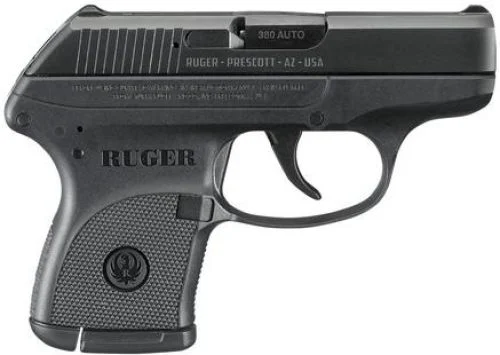
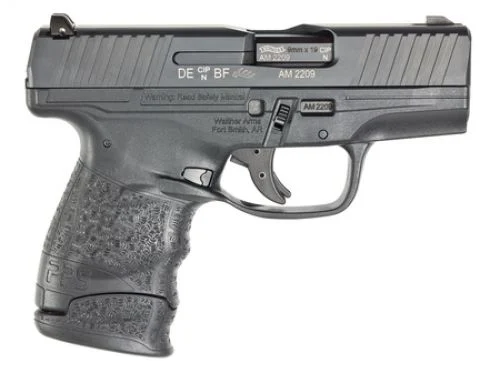
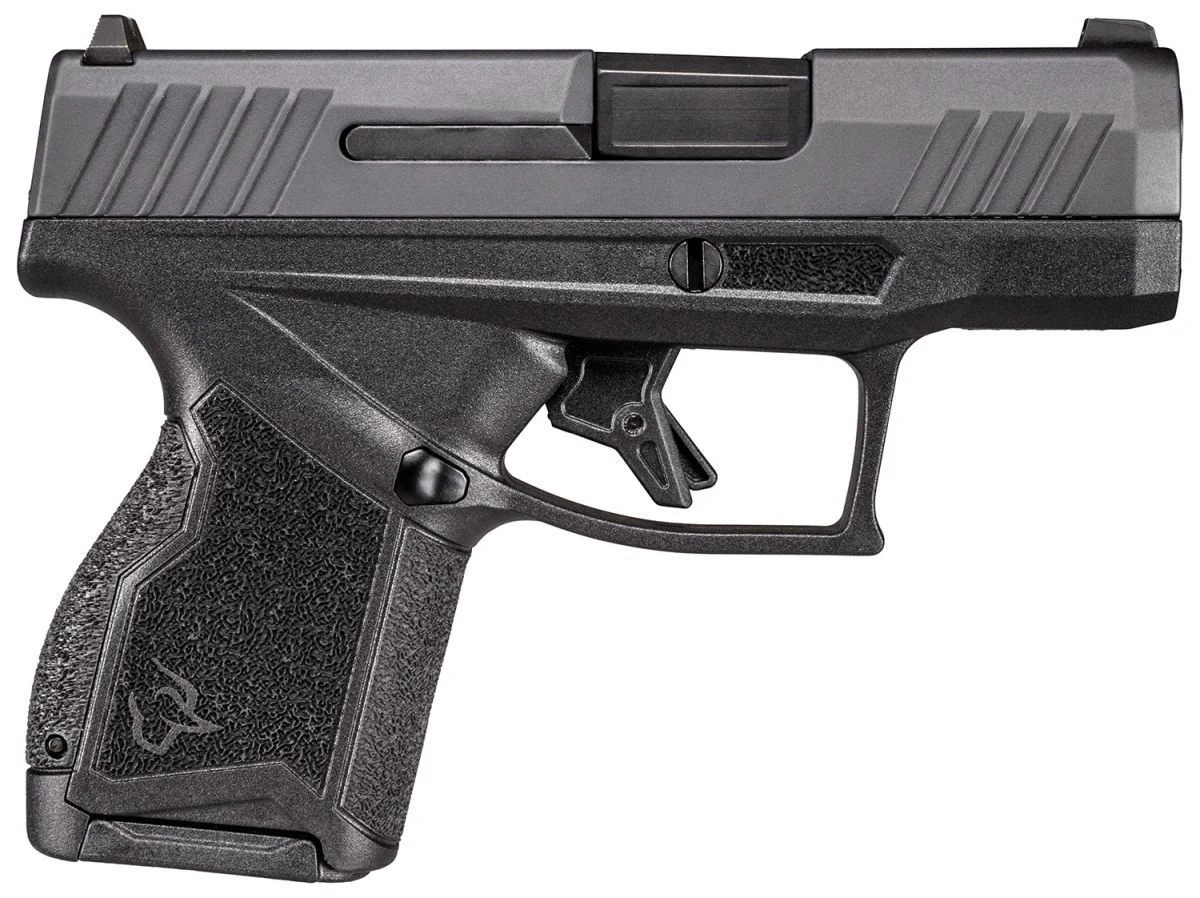
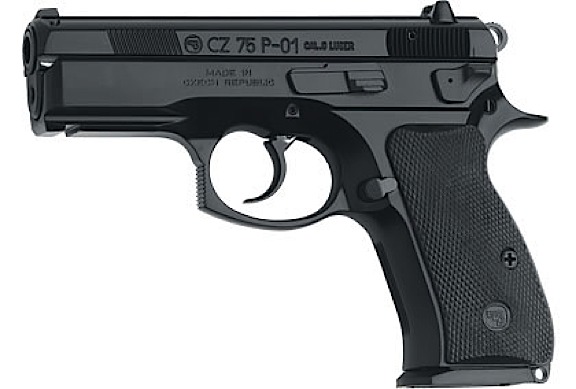
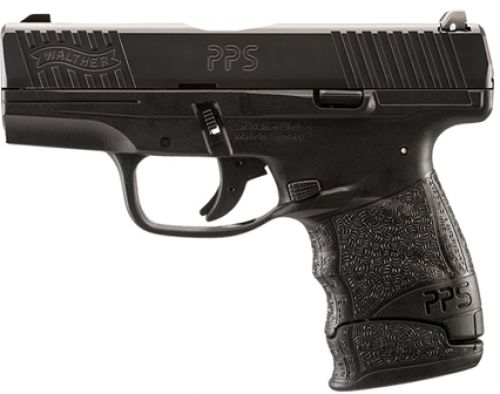
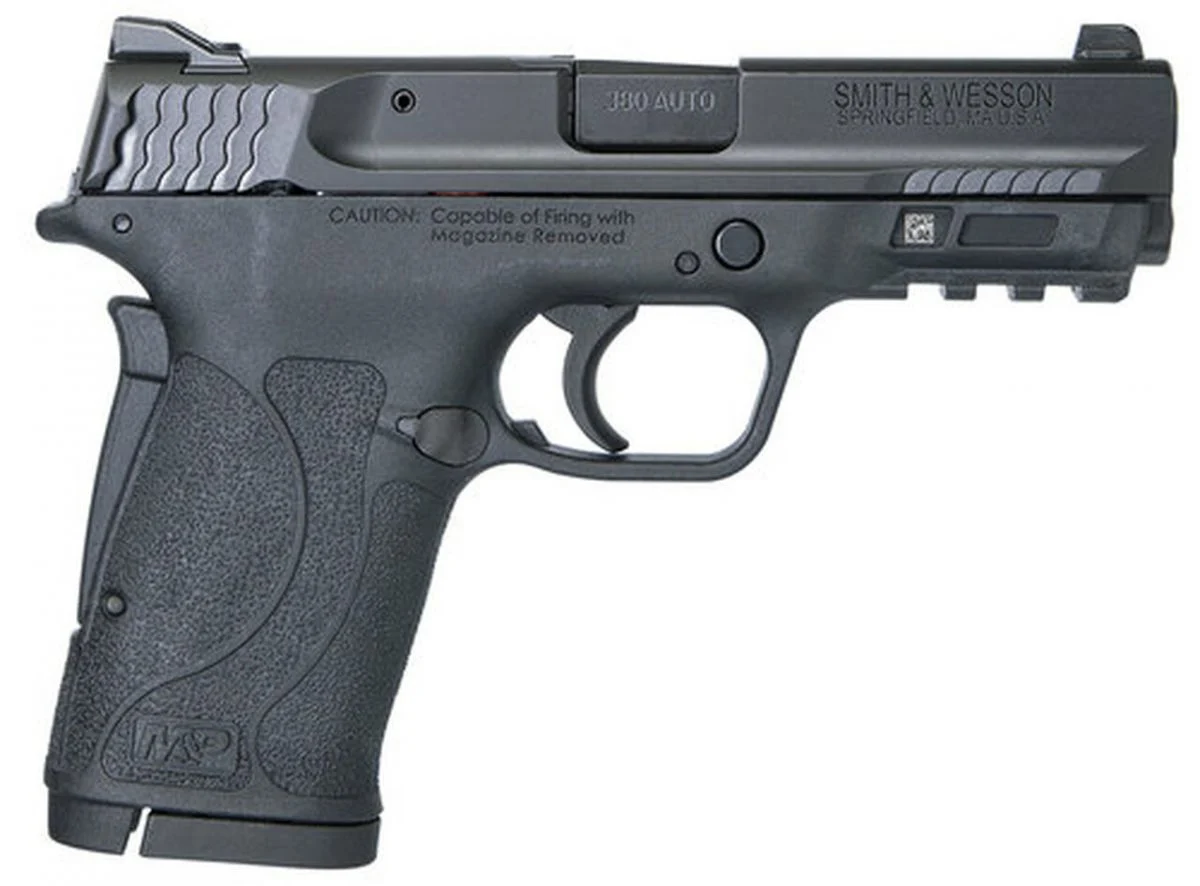
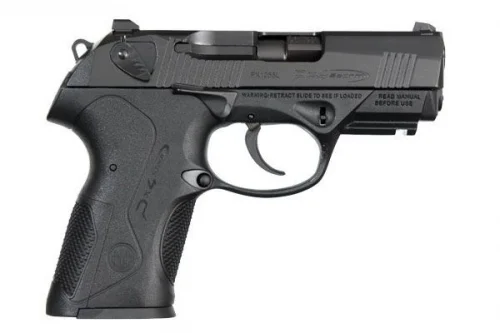
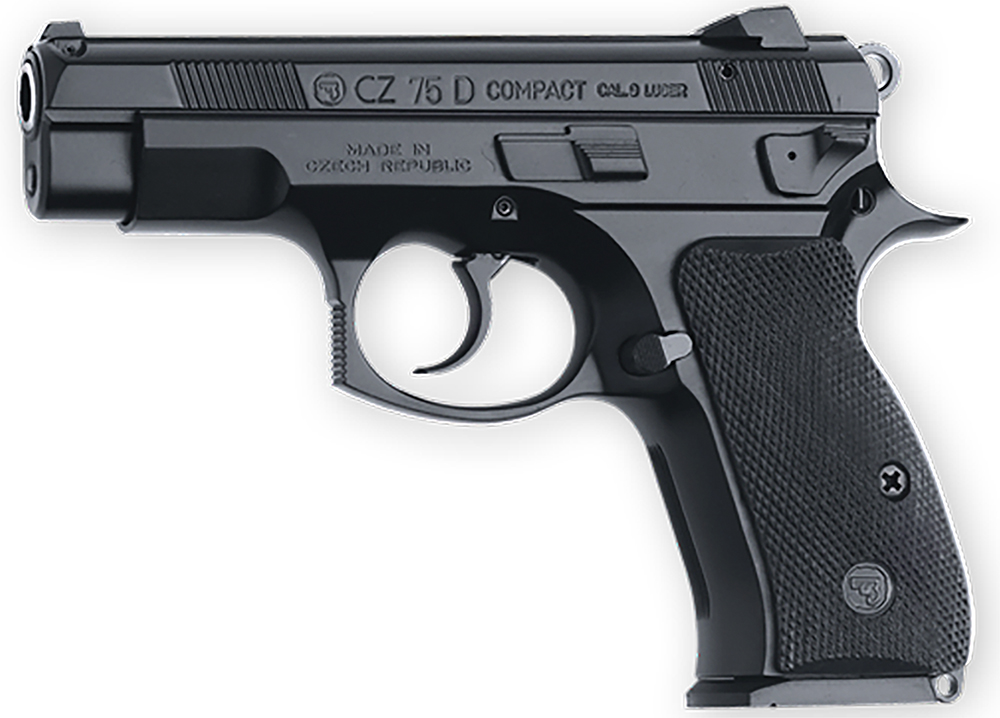
Nothing in Delaware law restricts what you may carry beyond the general bans, so the choice is ordinary: a compact or micro-compact nine, a revolver if you prefer simplicity, a good belt and a holster that covers the trigger. With the 17-round cap applying to everyone without a license, most carriers here end up on flush-fit magazines anyway. Our catalog lists live prices on carry pistols, and the Laurel buying guide covers how an order reaches your dealer once you have decided. If you hunt as well, the deer season guide is the other half of the Delaware picture.
General information, not legal advice. Current as of September 2026. Laws change; check the official source before you act.